The short answer
Before requesting a baby bottle OEM packaging quote, tell suppliers what the package must protect, what it must contain, where it will be sold, and how many units you plan to order. Ask for comparable quotes for stock packaging, stock packaging with a custom label or sleeve, and fully custom packaging when those options are available. Compare the total project assumptions—not only the printed box price.
1. Define the product and everything in the pack
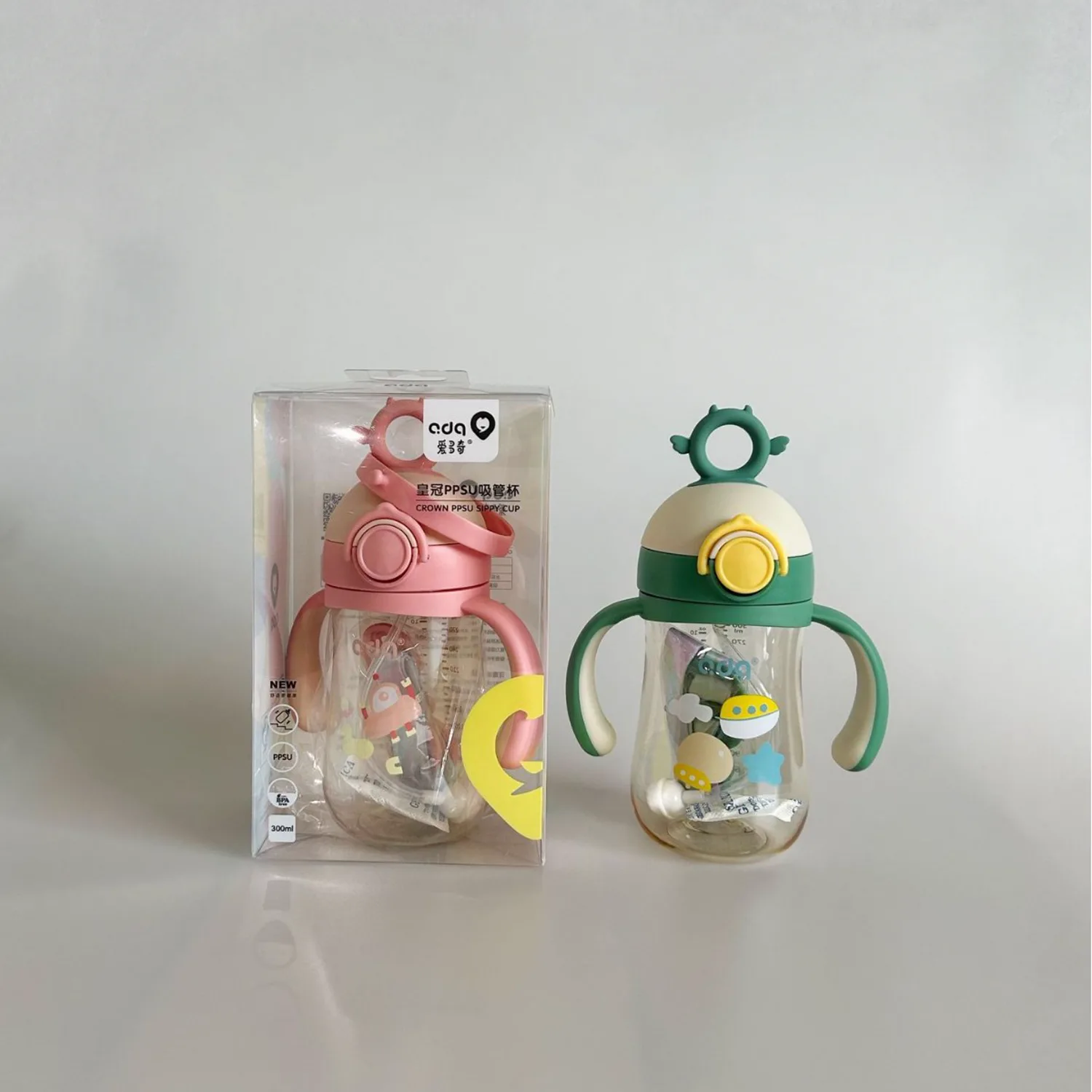
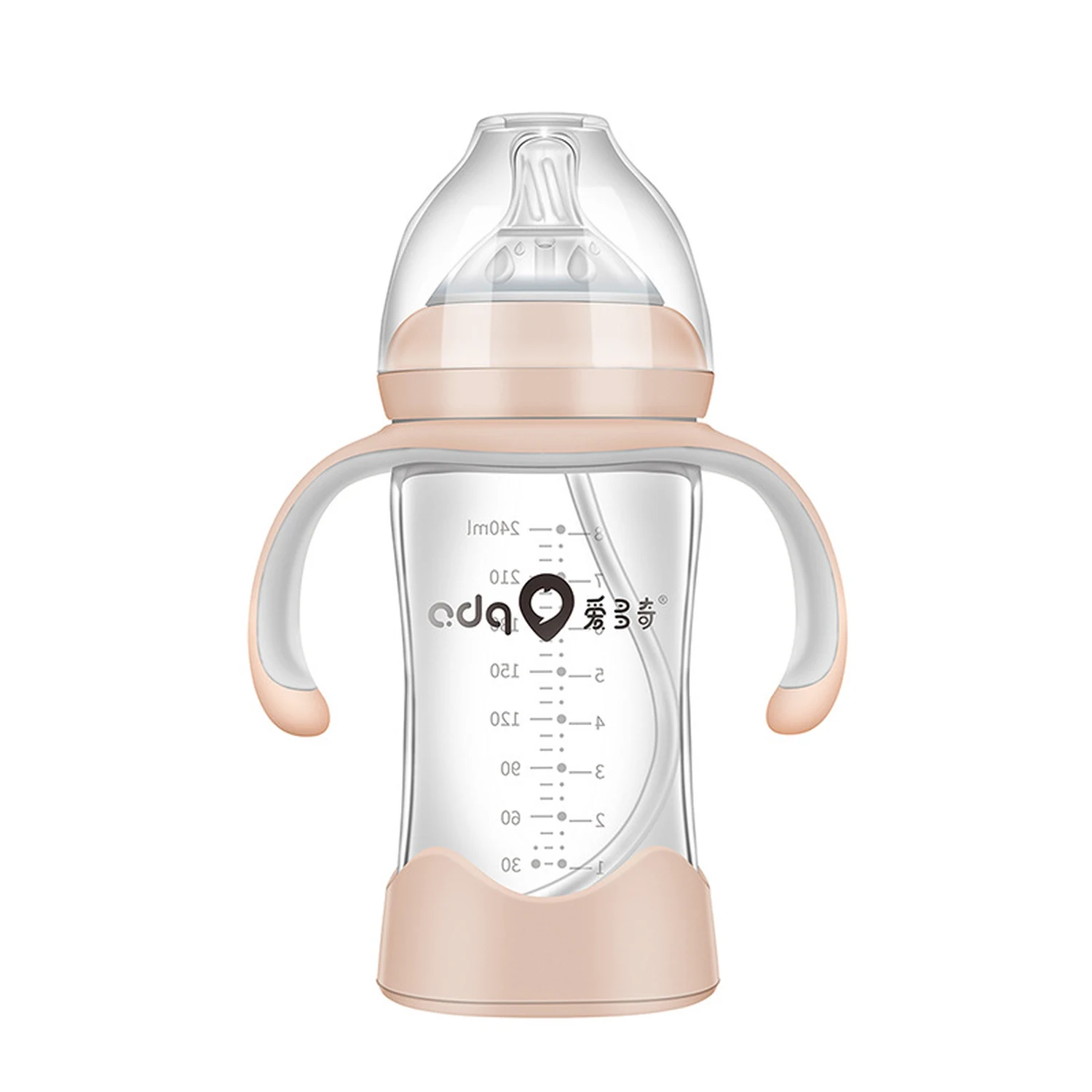
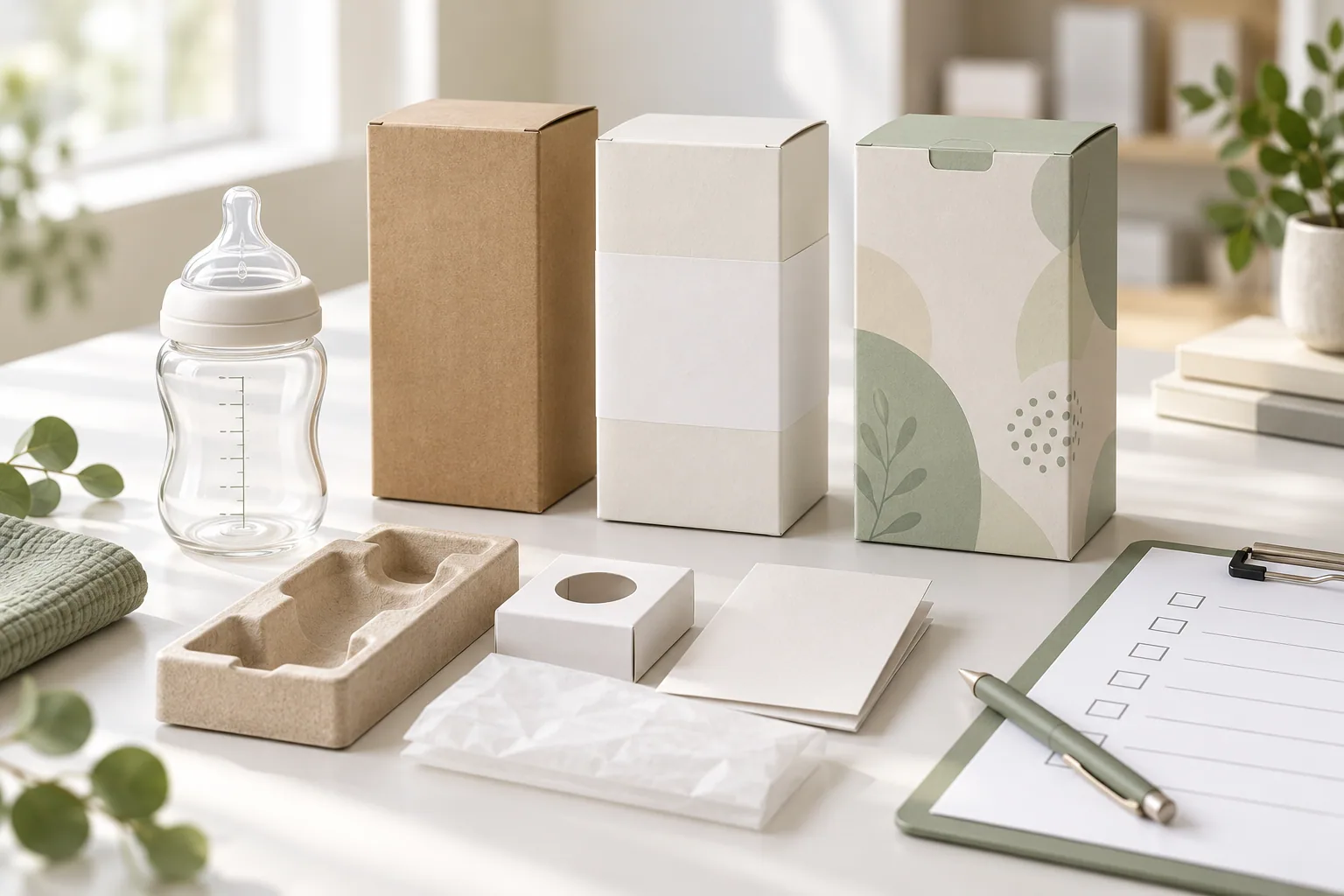
List the bottle model and every included component: bottle body, nipple, cap, ring, valve, handles, straw, brush, or other accessories. Then specify the planned retail configuration, such as a single bottle, a set, or a gift pack.
The artwork, contents list, product sample and quotation should all describe the same configuration. If a package image shows an accessory that is not included, customers and distributors may receive a different set from the one they expected.
For a multi-model project, identify each SKU separately. Shared artwork can reduce duplication, but only if the product contents, capacity, instructions, model references and claims actually match.
2. Compare packaging routes before choosing one
Ask the supplier to quote these routes separately, where available:
- Stock packaging: an existing package with the required product information added separately.
- Stock packaging with custom branding: an existing box or bag with a custom label, sleeve or insert.
- Fully custom packaging: a new or project-specific structure and artwork.
For each route, ask what quantity the quote assumes and whether there are separate minimums for the bottle, retail pack, labels, inserts and master carton. Confirm any setup, tooling, printing, artwork or sampling charges. A lower package unit price can still produce a higher total cost if it requires a larger run or extra setup.
Ask when the production schedule begins. For example, clarify whether timing starts after the order, artwork approval, packaging sample approval or product sample approval. Get the assumptions in writing so different quotes can be compared fairly.
3. Match protection to the product and delivery route
Packaging should keep the product and loose components in their intended positions through storage and transport. Review the actual packed set, not only a flat artwork proof. Check fit, closure, abrasion, movement inside the pack, and whether the required product information remains readable after packing.
The right protection depends on the bottle material, shape, included parts and shipping route. A package for a glass bottle may need a different protection approach from a package for a lightweight bottle, but the requirement should be tested with the real product and intended distribution conditions rather than assumed from the material name alone.
If the product will be sold through parcel delivery, ask how the retail pack will sit inside the shipper or master carton. If it will be palletized, confirm carton dimensions, quantity per carton and handling marks with the receiving team.
4. Review artwork and claims against the exact product
Before approving artwork, compare it with the approved product specification, included parts, instructions and supporting documents. Keep material wording specific to the component it describes. Avoid broad statements such as “FDA approved,” “medical grade,” or universal safety claims unless the exact wording and evidence have been reviewed for the product and target market.
Create a copy checklist for each market. It can include product identity, contents, model or SKU, capacity, care instructions, warnings, responsible business details, barcode space and required languages. Which fields are required depends on the market and product; confirm them with a qualified compliance reviewer before printing a commercial run.
5. Plan for identification and change control
Decide how a buyer, warehouse or service team will identify the product and packaging version. Depending on the project, this could include a model or SKU, batch or lot field, date code, packaging revision or master-carton label. Agree where the information will appear and which party supplies it.
Keep a dated record of the approved product sample, packaging sample and artwork revision. If a component, supplier, material, print file or package structure changes, ask whether the change affects the approval record or requires another sample review. This helps prevent production from using artwork or packaging that no longer matches the approved product.
6. Check EU packaging requirements when selling into the EU
The EU Packaging and Packaging Waste Regulation (Regulation (EU) 2025/40, or PPWR) began applying on 12 August 2026. Its requirements cover packaging, while separate rules may apply to the baby bottle as a product. The regulation also phases in requirements over time, and the details depend on the packaging and the applicable provision.
If the project targets the EU, ask the importer or a qualified compliance adviser which requirements apply to the specific packaging, market and date. Ask the supplier what material, packaging design and traceability information it can document. Do not treat a general supplier statement as proof that every package or product requirement has been met. Consult the regulation and the European Commission’s 2026 guidance for the current legal text and interpretation.
Copy this checklist into your RFQ
- Target sales markets and planned launch timing
- Product model, components and retail pack configuration
- Planned order quantity and any separate packaging quantity assumptions
- Quote options: stock, custom label or sleeve, and fully custom packaging
- Packaging dimensions, artwork format, languages and barcode requirements
- Product protection and intended shipping route
- Required product and packaging documents for review
- Model, batch or revision identification fields
- Sampling, approval stages, setup charges and schedule assumptions
- Person responsible for artwork, translation and market compliance review
Final takeaway
A useful packaging quote lets you compare the same product, packaging route, order quantity, approval steps and market assumptions across suppliers. Start with a clear RFQ, review the physical packed sample, and approve the artwork only after it matches the product and evidence for the target market.
For project-specific packaging options, review Aiduoqi’s OEM/ODM support and baby bottle range, then contact the team with your product configuration and target markets.
Frequently asked questions
Is custom packaging always better for a new baby bottle brand?
Not necessarily. Compare stock packaging, custom labels or sleeves, and fully custom packaging based on the project’s quantity, setup costs, launch schedule and brand requirements. Ask suppliers to state which costs and minimum quantities apply to each option.
What should I send with a baby bottle packaging RFQ?
Send the product model and components, proposed pack configuration, sales markets, quantity, artwork requirements, languages, barcode needs and intended shipping route. Ask the supplier to identify missing information before finalizing a quote.
Does PPWR certify a baby bottle as safe?
No. PPWR is an EU regulation concerning packaging and packaging waste. Baby bottle product requirements are a separate review. Confirm the rules that apply to the specific product and packaging with a qualified adviser.
Sources
- European Parliament and Council, Regulation (EU) 2025/40 on packaging and packaging waste.
- European Commission, Guidance document for Regulation (EU) 2025/40, C/2026/3084, published 10 June 2026.