The short answer
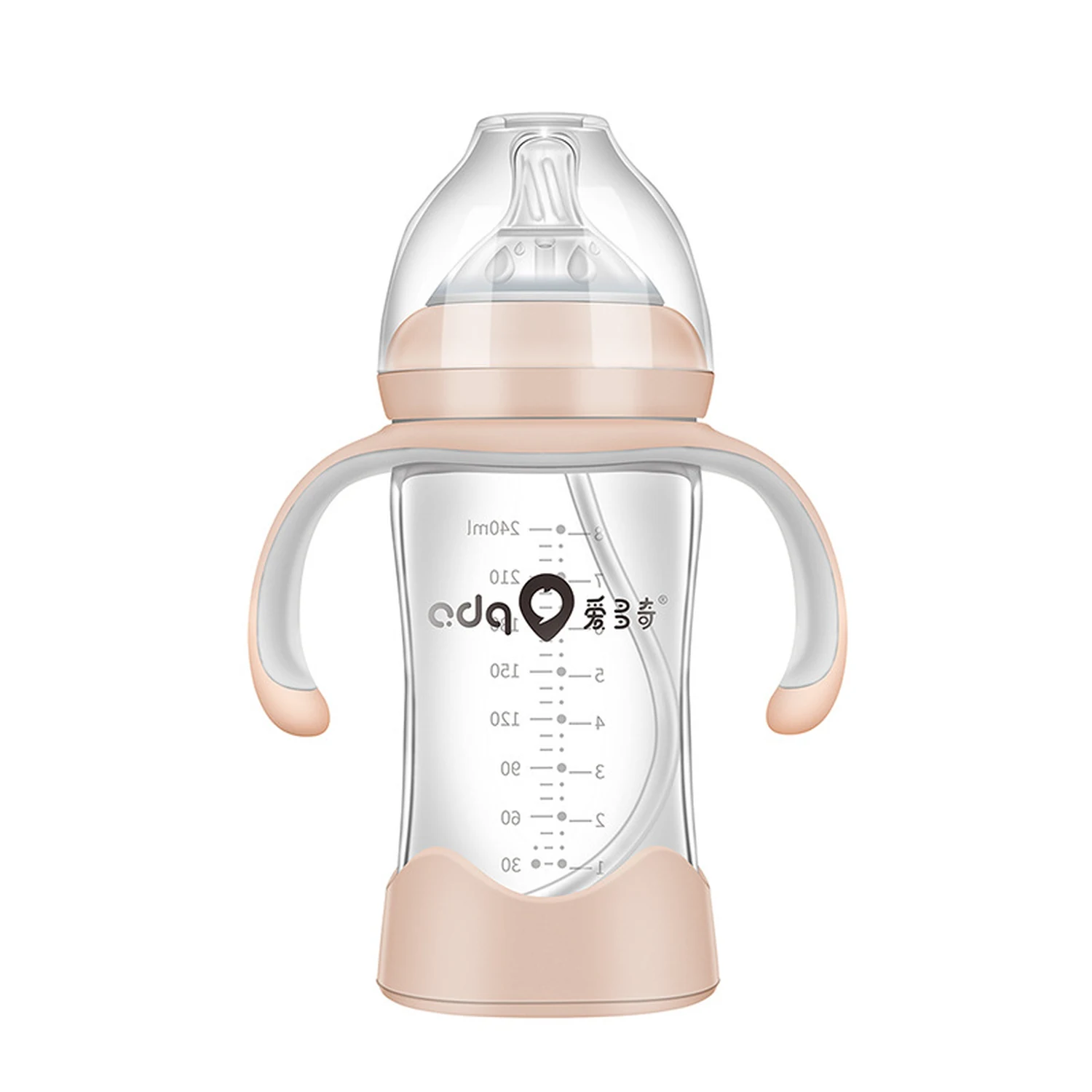
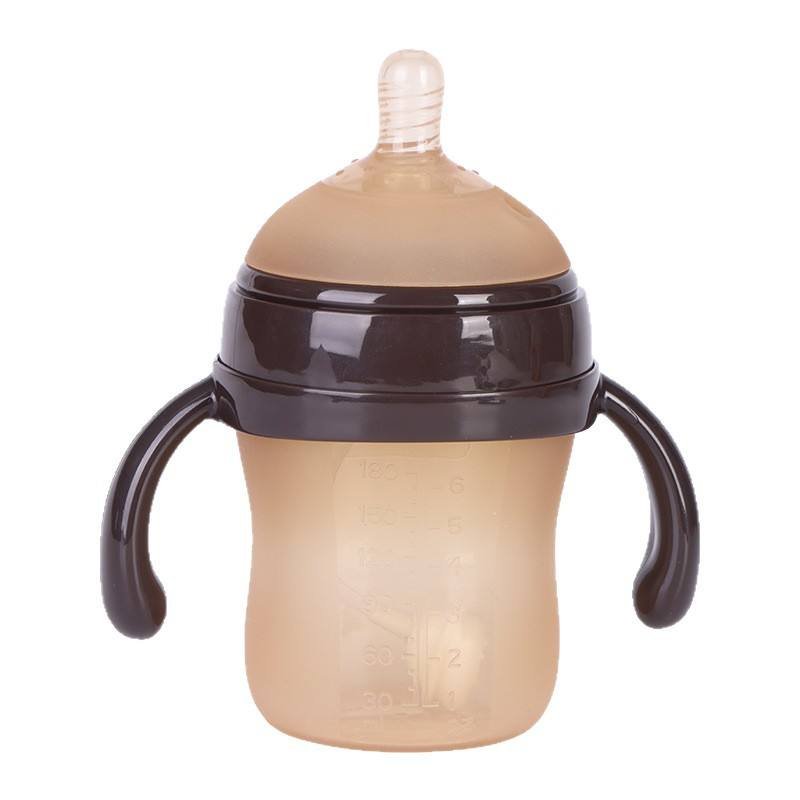
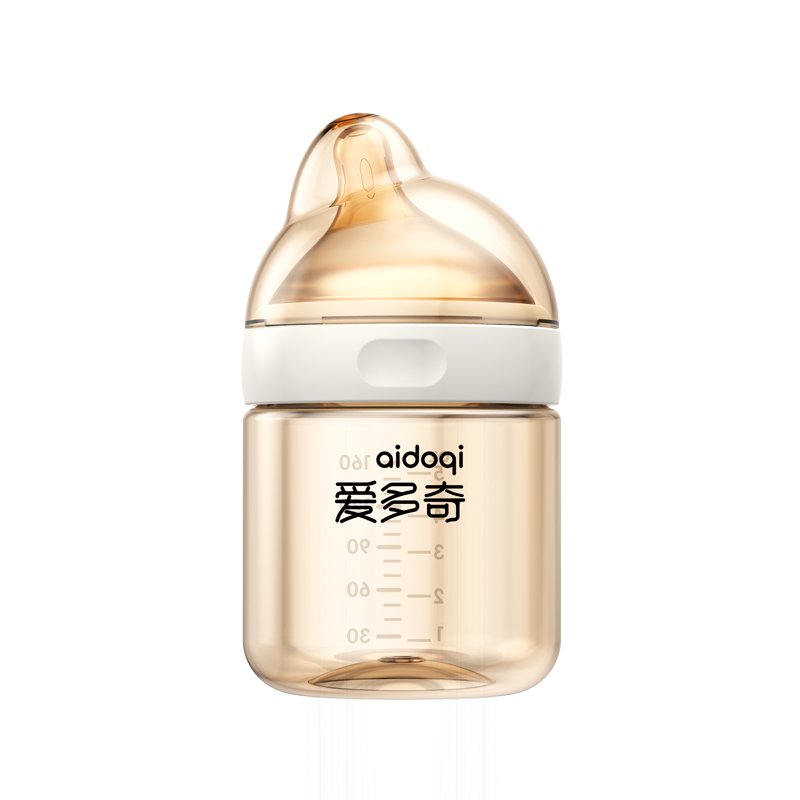
Nipple flow should be treated as a measurable product specification, not only a label such as “slow” or “fast.” Flow can vary with nipple design, opening, thickness, material, vacuum, liquid, temperature, and test method. OEM buyers should define the intended use, document the test method, check variation across samples, and avoid turning a laboratory number into a universal feeding recommendation.
Why flow-rate verification matters
The nipple controls how liquid is delivered from the bottle. If delivered flow differs from design intent, the product may not match age-stage guidance, packaging copy, or customer expectation.
In a 2015 study measuring flow rates in hospital nipples, measured flow rates varied widely across nipple types. A 2019 study of 375 nipples reported that package information did not accurately reflect measured flow rates in that study’s sample. These findings do not mean every label is inaccurate; they show why the actual product and test conditions should be verified.
What determines nipple flow
- Opening type, size, and position;
- Wall thickness and shape;
- Silicone or other nipple material specification;
- Bottle and venting configuration;
- Liquid, temperature, pressure, and test duration;
- Equipment, sample quantity, and acceptance range.
A result from one bottle system should not automatically be applied to another system.
Define the use case before defining the number
First define whether the product is intended for newborn or early-stage feeding, general infant feeding, transition or toddler use, a special valve system, or a market-specific product family with multiple stages. Explain how the stage is communicated. A number or age label alone does not prove a measured flow rate.
For medically complex or premature infants, product-selection decisions should be left to qualified clinicians and caregivers. Research can inform product development, but does not replace clinical advice.
A practical OEM test plan
1. Sample definition
Record model, cavity or tooling reference where relevant, material, opening design, and production batch. Test more than one sample to observe variation.
2. Test liquid and temperature
State the liquid and temperature. Water and formula may not produce identical results. The condition should reflect the purpose of the specification.
3. Equipment and pressure
Record equipment, pressure or vacuum, measurement time, and collection method. Without these details, results are difficult to compare.
4. Acceptance range
Define the target range and what happens if a sample falls outside it. Approve the range before production.
5. Packaging and production control
Confirm that the tested sample, approved artwork, packaging label, and production version use the same flow-stage terminology. If the design changes, repeat the review.
What research can and cannot tell an OEM buyer
A 2019 BMC Pediatrics study of two teat types examined feeding measurements in 16 term-born infants aged 2–5 months. A 2025 longitudinal study of slower-flow nipples provides research evidence, but was not designed to certify a particular commercial nipple or create a universal age-based recommendation.
Use research to explain why verification matters—not to claim that one nipple design is clinically best for every baby.
Document checklist for buyers
- Approved nipple drawing or sample;
- Model and SKU list;
- Material declaration for nipple and related components;
- Flow-rate test protocol and results with sample count;
- Production-batch or date information;
- Care and replacement instructions;
- Target-market requirements and final packaging copy.
Cleaning and care still matter
The CDC cleaning guidance identifies nipples, rings, caps, valves, and membranes as feeding supplies requiring appropriate cleaning. Review cleaning instructions together with nipple material, valve geometry, bottle assembly, and replacement guidance. Buyers evaluating the bottle body can also review the companion guide to PPSU, PP, and glass baby bottles.
FAQ for OEM buyers
Does a “slow-flow” label prove a specific flow rate?
No. The label is useful only when the supplier defines the test method, conditions, sample identity, and acceptance range behind it.
Can a flow result from one nipple be applied to another bottle system?
Not automatically. Venting, liquid, temperature, pressure, and assembly can affect the measured result.
Does flow-rate testing replace clinical feeding advice?
No. Testing supports product development and quality control; feeding decisions for medically complex or premature infants should be made with qualified clinicians and caregivers.
Final takeaway
An OEM nipple-flow specification should connect intended use, design, test method, measured range, sample identity, and the final customer-facing claim. Contact the Aiduoqi team to discuss bottle architecture, nipple options, material documentation, and test-review requirements.
Sources and evidence note
- CDC bottle-feeding guidance
- CDC cleaning guidance
- 2015 PubMed PMID 26172340
- 2019 PubMed PMID 30028734
- 2019 PubMed PMID 31805974
- 2025 PubMed PMID 40449564
This article is an OEM sourcing and specification guide, not medical advice or a universal feeding recommendation.