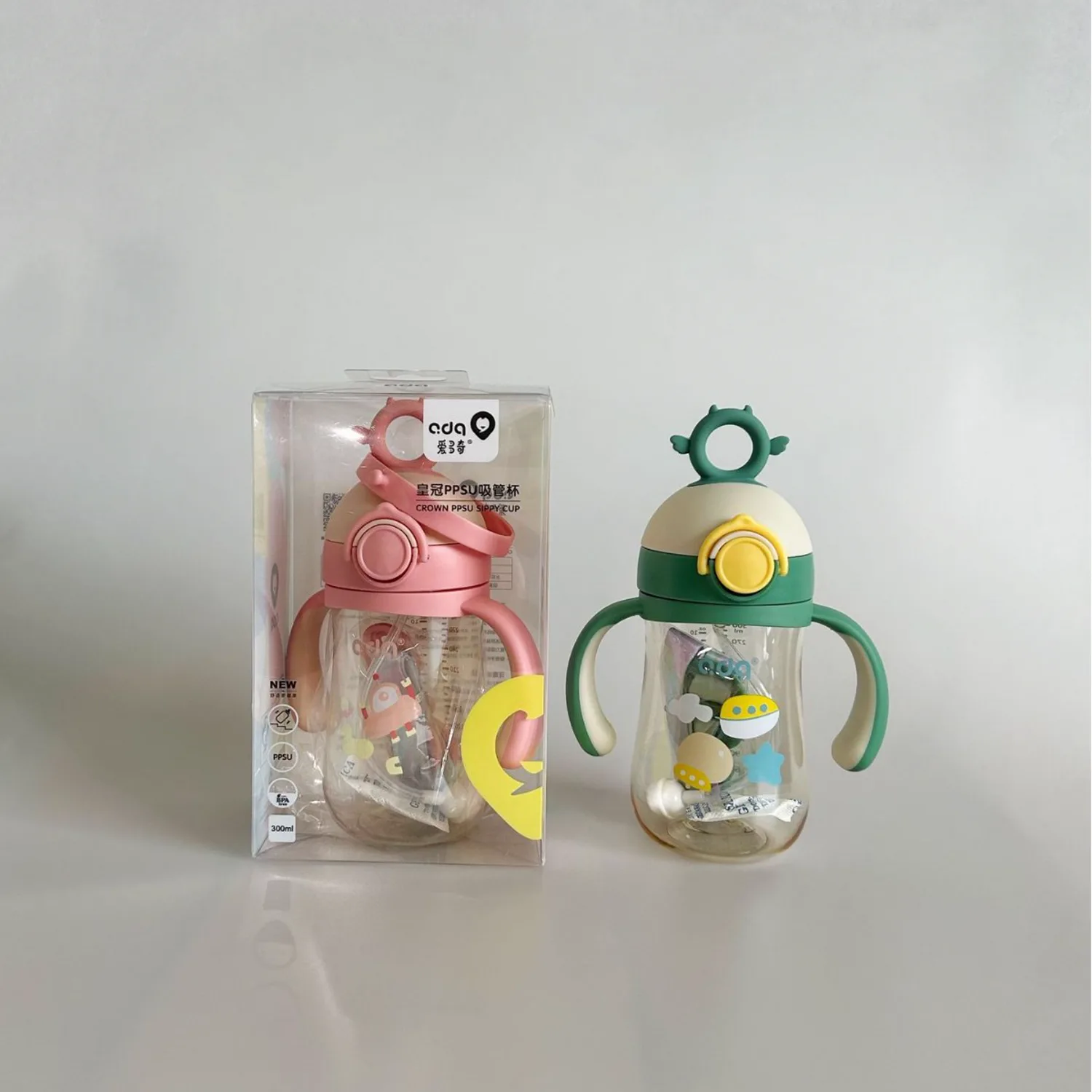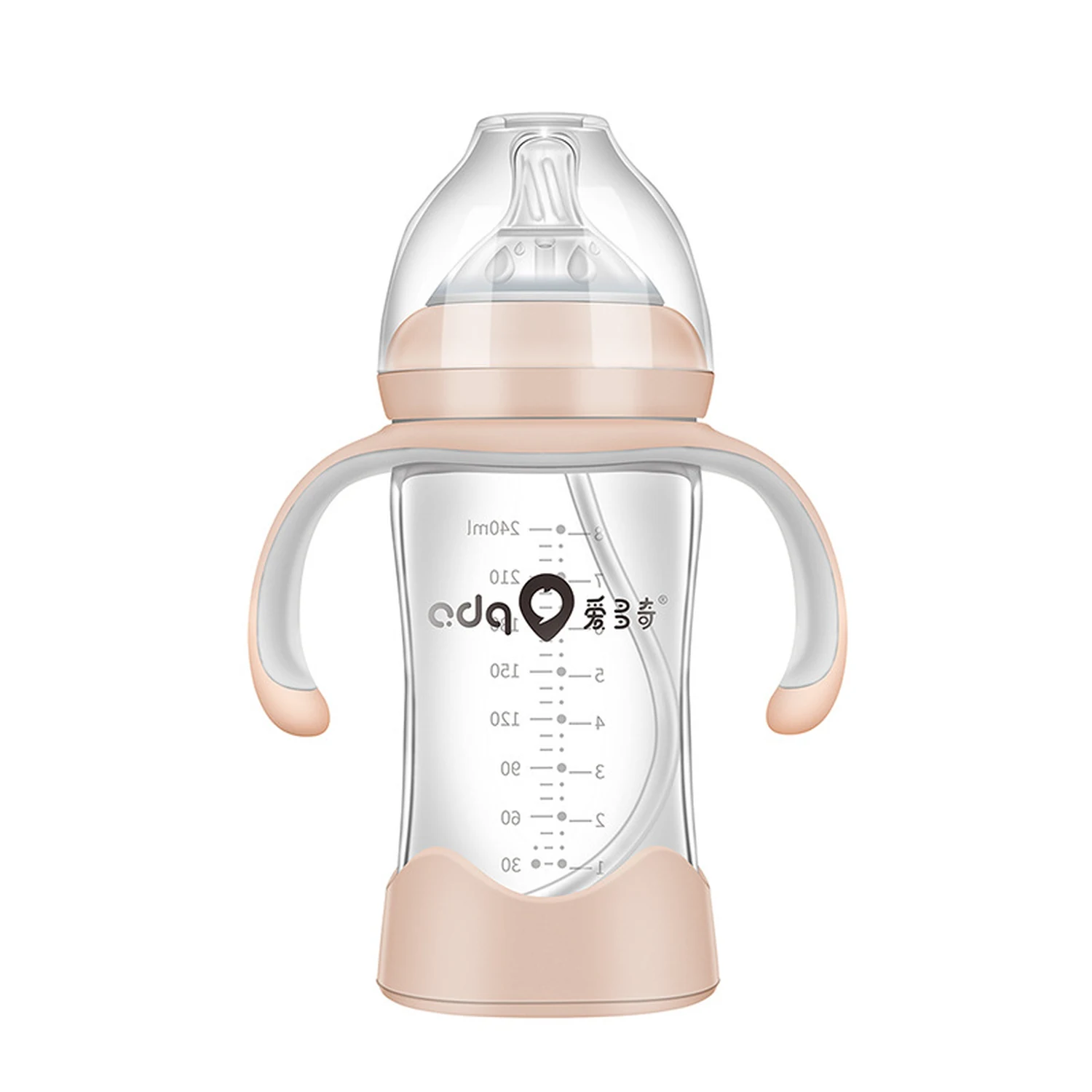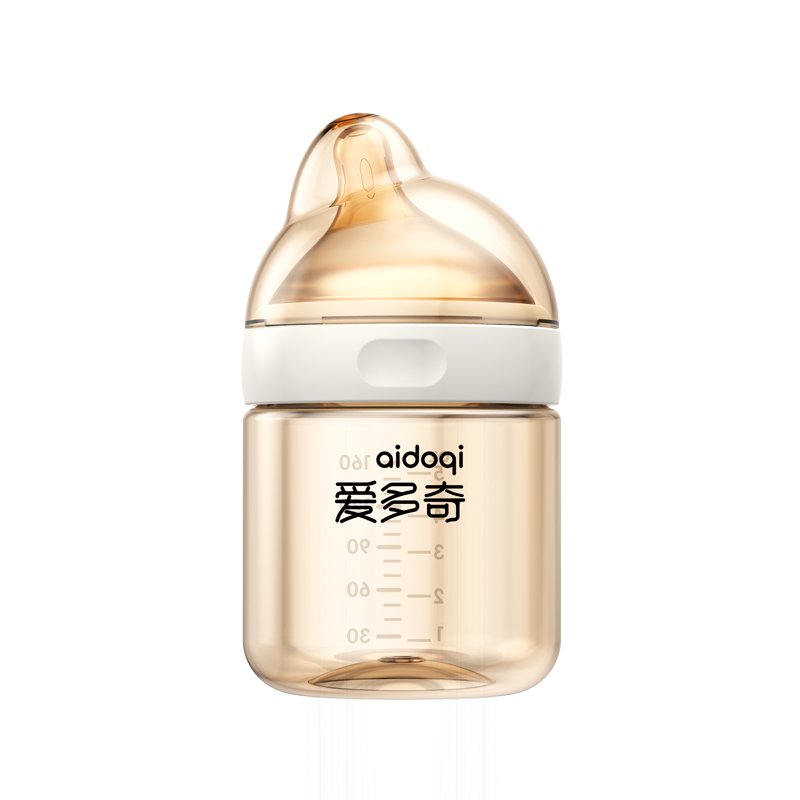
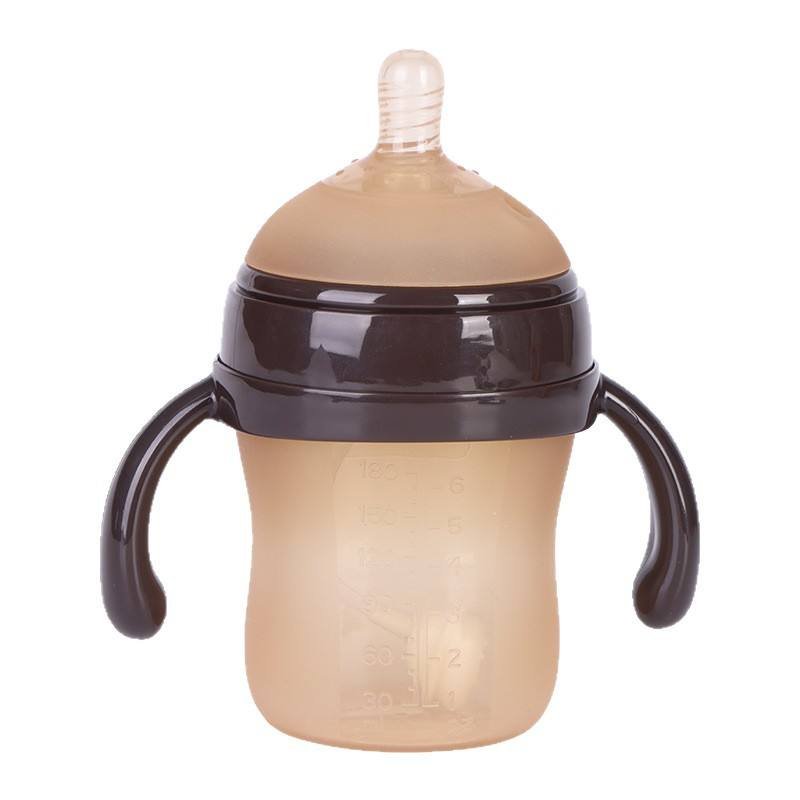
When sourcing baby bottles for a new market, material claims should be verified before a quotation becomes a production order. A product may be described as PPSU, PP, glass, or silicone, but the supporting documents must match the actual product, model, and tested sample.
Why material verification matters
Material affects product positioning, design decisions, cleaning guidance, packaging copy, and compliance communication. It also affects what an OEM buyer can responsibly say to customers. A supplier presentation alone is not enough evidence for a material or safety claim.
1. Match the product to the document
Start with the exact product model or SKU. Check the bottle name, model numbers, components, sample description, manufacturer, and report date. If a report describes a baby bottle but lists a different tested material or component, pause and confirm the scope before using it in marketing.
2. Separate the bottle material from its components
A complete feeding product can contain several materials. The bottle body, collar, cap, handle, and nipple may not be made from the same material. A material statement should identify which component it covers instead of treating the whole product as one material.
- PPSU and PP may be used for bottle bodies or other rigid components.
- Glass is a separate material category with different handling and packaging considerations.
- Silicone is commonly associated with soft components such as nipples, but the exact component and specification still need to be confirmed.
3. Check the test report scope
Review the sample description, tested material, model list, test items, applicable standard, laboratory information, and issue date. A report can support only the sample and scope stated in the document. It should not automatically be treated as proof for every product in a catalogue.
For this reason, Aiduoqi keeps material-specific documentation for PPSU, PP, and glass bottle products. Buyers should still confirm which models and components each document covers before publication or mass production.
4. Ask for traceability
Before approval, ask the supplier to connect the following items:
- the product sample or drawing;
- the model or SKU list;
- the material declaration;
- the relevant test report or certificate;
- the production version being approved.
If one of these links is missing, request clarification in writing. This simple record makes later reviews much easier and reduces the risk of using a document for the wrong product.
5. Use careful wording in marketing
Good marketing copy should describe what the available evidence supports. Avoid broad claims such as “all products are certified” when the document covers only selected models. Avoid adding prices, ratings, or review claims unless those details are real, current, and properly documented.
OEM buyer checklist
- Is the material statement tied to a specific product and component?
- Does the report sample description match the product being sourced?
- Are the model numbers and document dates clear?
- Does the report scope match the intended market and claim?
- Can the supplier explain any difference between the sample and production version?
- Are the final product page and packaging copy consistent with the evidence?
Final takeaway
Material verification is a practical step between product development and responsible marketing. By matching the product, component, model, and document scope, OEM buyers can make clearer decisions and build more trustworthy baby feeding products.
Need help reviewing a custom bottle project? Contact the Aiduoqi team to discuss product development, customization, and supporting documentation.