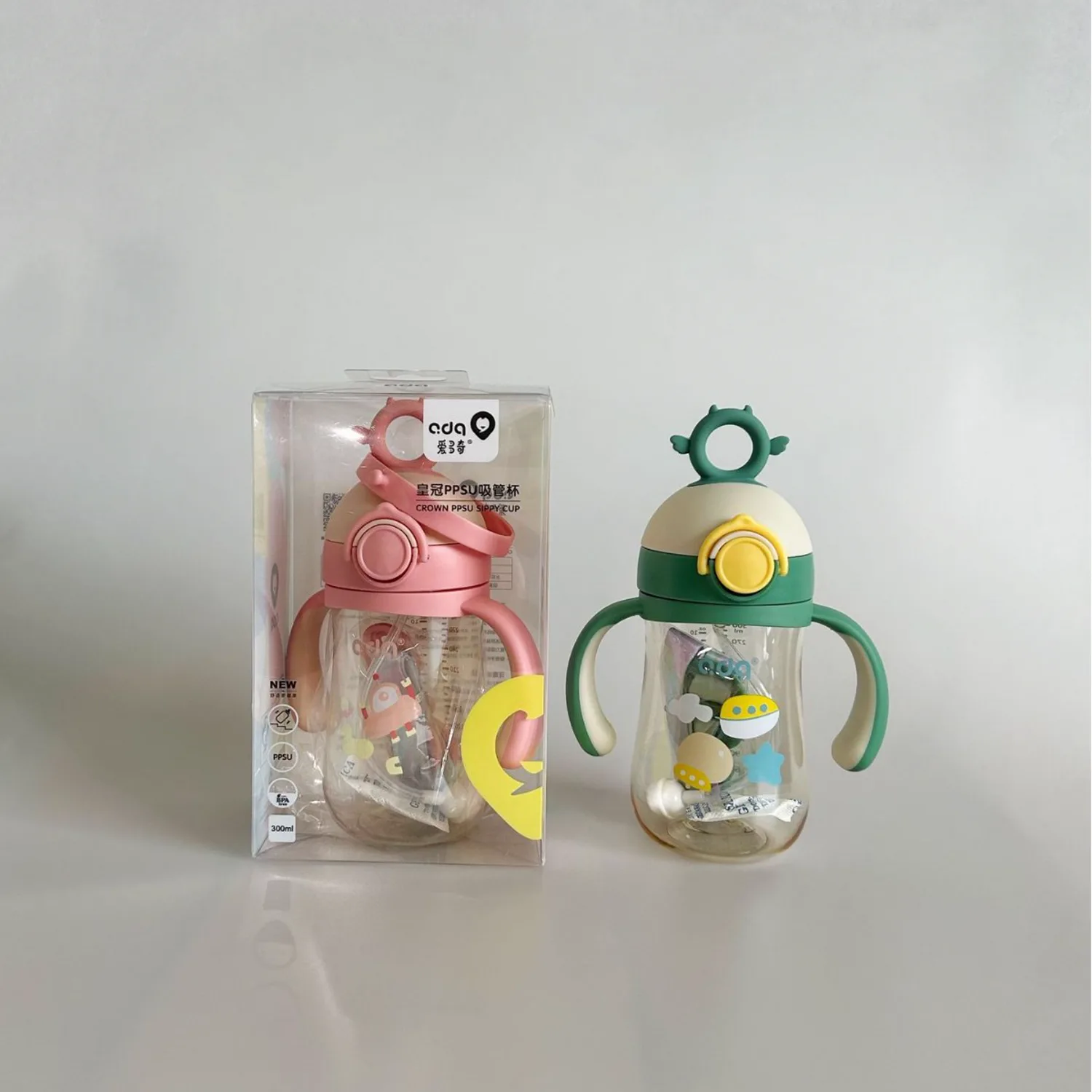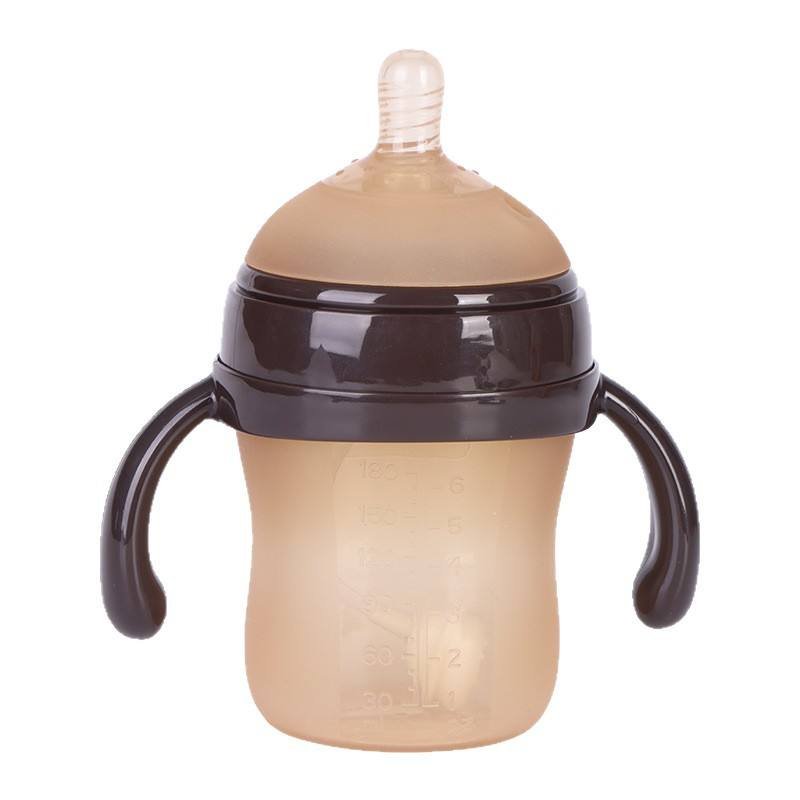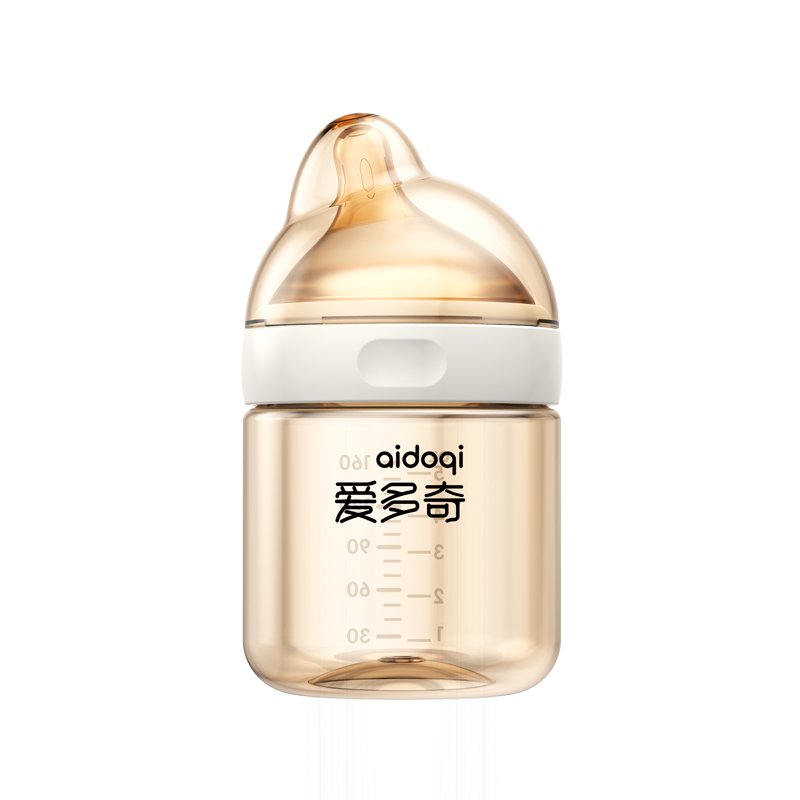
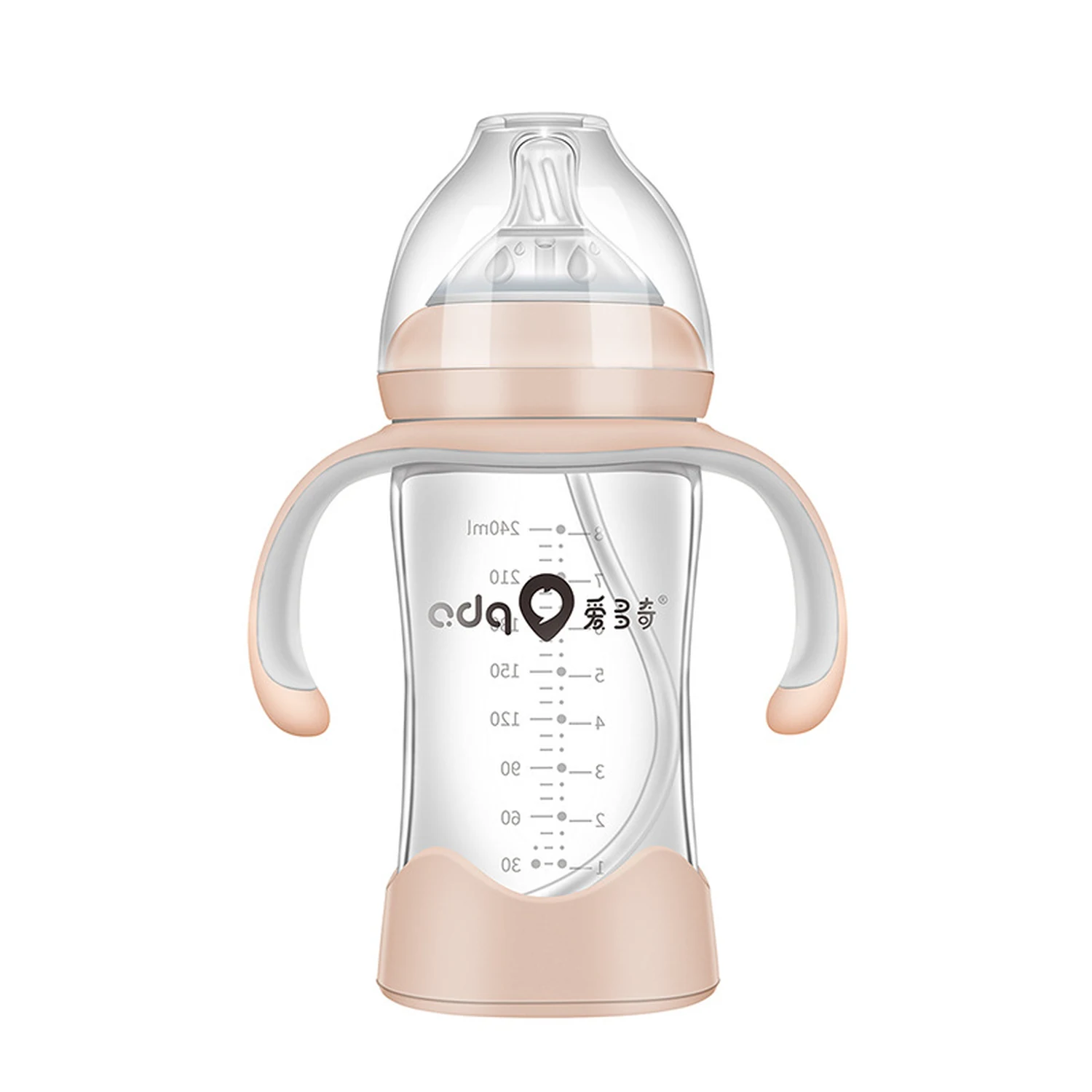
The short answer
There is no single best bottle material for every OEM project. PPSU, PP, and glass each involve different trade-offs in weight, handling, thermal-use requirements, appearance, design goals, and documentation. The correct sourcing decision should begin with the target market and use case, then be confirmed against the actual product, model list, material declaration, and applicable test evidence.
Why material selection should be a sourcing decision
For an OEM buyer, material selection affects more than the bottle body. It can influence weight, assembly, decoration, packaging, shipping, cleaning instructions, and the evidence needed for a market launch. A material name alone is not enough: identify the material used in each component, the models covered, the production version represented by the sample, the intended market, and the report supporting the claim.
PPSU: a performance-oriented plastic option
PPSU is often considered when a project needs a lightweight plastic bottle with a premium appearance and a defined heat-use specification. The relevant question is whether the selected grade, components, processing conditions, and care instructions are documented for the intended product.
- Which parts are PPSU, and which use another material?
- Does the declaration identify exact model numbers?
- What cleaning, sterilization, and temperature instructions apply?
- Does the evidence cover the production version, not only an early sample?
- Are decoration, printing, and adhesives within the documented scope?
Avoid describing every PPSU bottle as automatically safer, more durable, or suitable for every sterilization method. Those conclusions depend on the finished product and manufacturer instructions.
PP: a practical lightweight option
PP may be selected when a project prioritizes lightweight handling, practical production, or a specific packaging target. The material, colorants, additives, closure parts, and decoration should be controlled across the approved sample and production version. Request a clear bill of materials or component-level material statement.
Glass: a different handling and packaging profile
Glass can be attractive when a buyer wants a rigid, transparent bottle body and a different tactile or visual presentation. It also changes handling, packaging, shipping, and breakage considerations.
- Confirm the glass type and attached components.
- Review individual and master-carton protection.
- Define inspection for chips, cracks, and surface defects.
- Check compatibility between the glass body and closure system.
- Confirm warning and care instructions for the target market.
A practical comparison framework
| Buyer question | PPSU | PP | Glass |
|---|---|---|---|
| Low weight priority? | Often considered | Often considered | Usually less suitable |
| Rigid transparent body? | Depends on grade and design | Depends on grade and design | Often a central design attribute |
| Heat-use instructions? | Yes | Yes | Yes, including handling and thermal-shock considerations |
| Packaging risk? | Moderate | Moderate | Higher attention may be required because the body is breakable |
This is a sourcing framework, not a universal performance ranking.
How to verify a supplier’s material claim
- Product identity: Does the report name the same product, model, or SKU?
- Material identity: Does the statement cover the component being discussed?
- Sample description: Does the tested sample match the current design and production version?
- Test scope: Are market, standard, test items, and dates appropriate?
- Marketing consistency: Do product page, packaging, and sales copy stay within the evidence?
If any point is unclear, ask for written clarification and keep it with the approval record. A document should not automatically be treated as covering an entire catalogue.
Cleaning and care are part of the material decision
The CDC bottle-feeding guidance identifies bottles, nipples, rings, caps, and valves or membranes as feeding supplies that require appropriate cleaning. Follow the manufacturer’s instructions for the sanitizing method.
For a related document-matching workflow, see how OEM buyers can verify baby bottle material claims before sourcing.
FAQ for OEM buyers
Is PPSU always the best material for an OEM baby bottle?
No. The suitable choice depends on product architecture, target market, care instructions, packaging, and evidence for the finished product.
Can one material report cover every bottle in a catalogue?
Not automatically. Confirm product identity, model list, component scope, sample description, and test purpose.
Should a material comparison include prices?
Only when current, comparable quotations are available. This guide focuses on sourcing criteria rather than time-sensitive price claims.
Final takeaway
PPSU, PP, and glass are not interchangeable marketing labels. Evaluate each option against the use case, product architecture, packaging plan, target market, and supporting documents. Contact the Aiduoqi team to discuss material options, product development, customization, and documentation.
Sources and evidence note
- CDC, About Feeding From a Bottle: source
- FDA, Guidance on Food Contact Substances for Use with Infant Formula and/or Human Milk: source
- Google Search Essentials: source
This article does not establish that one material is universally safer or better. Product-specific statements require product-specific evidence.