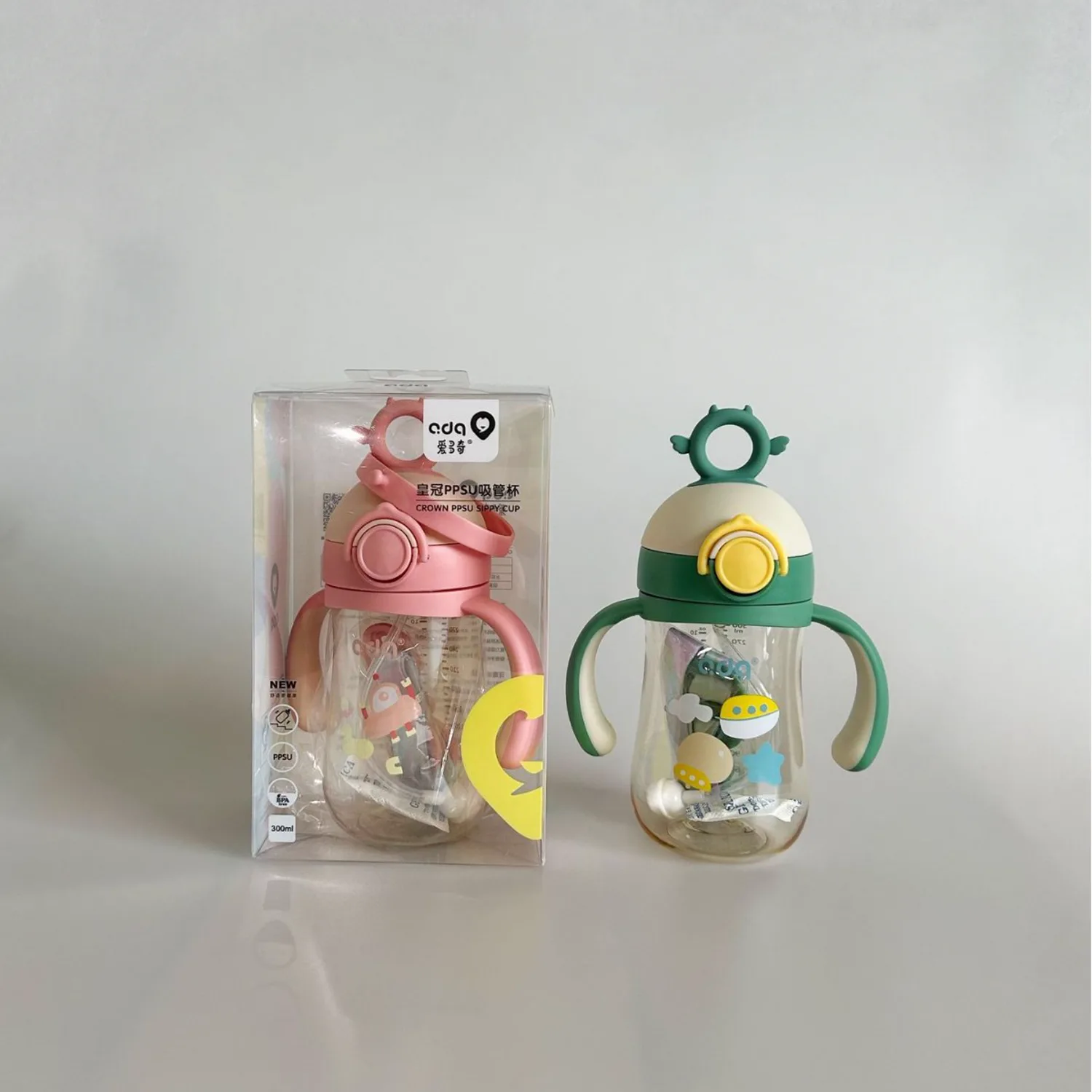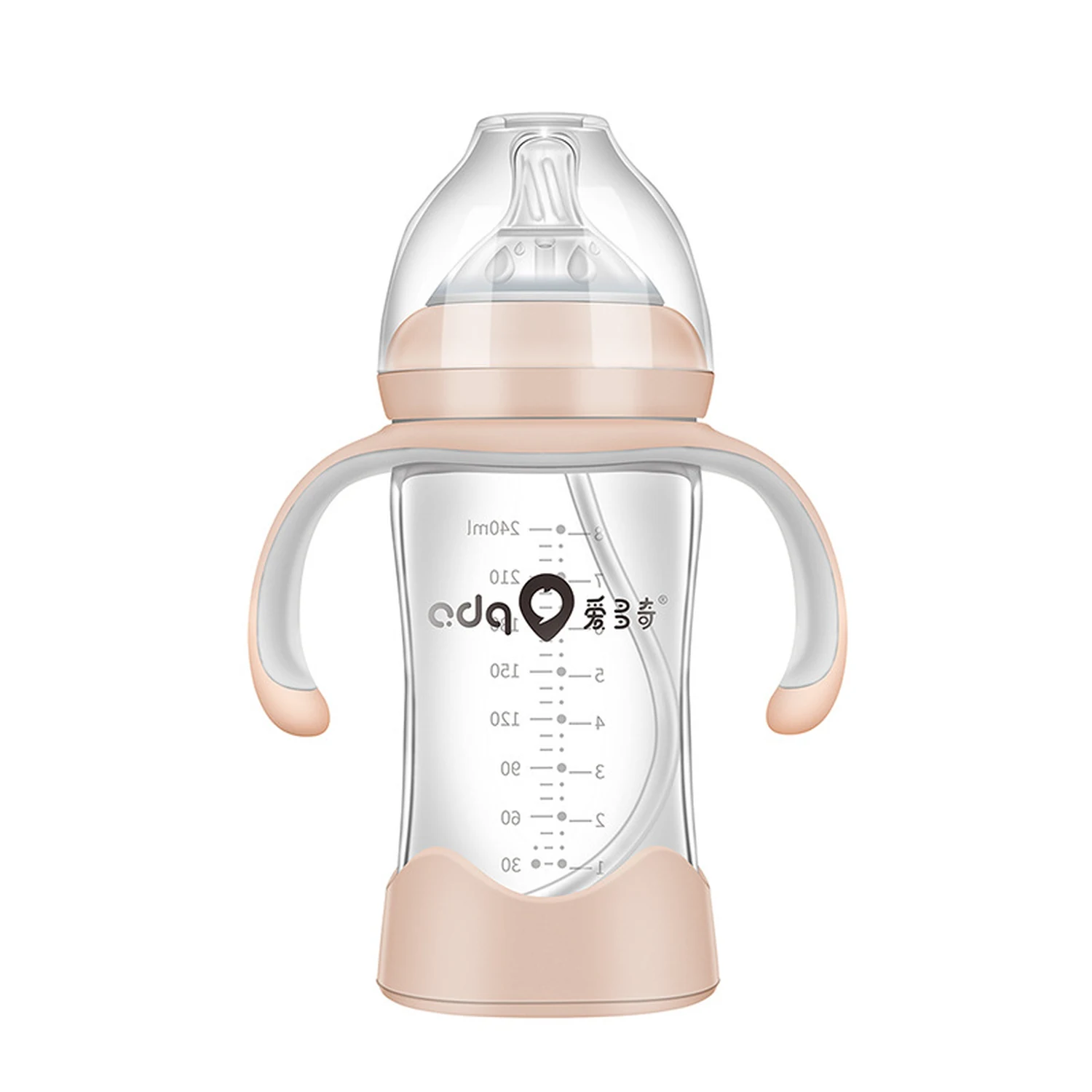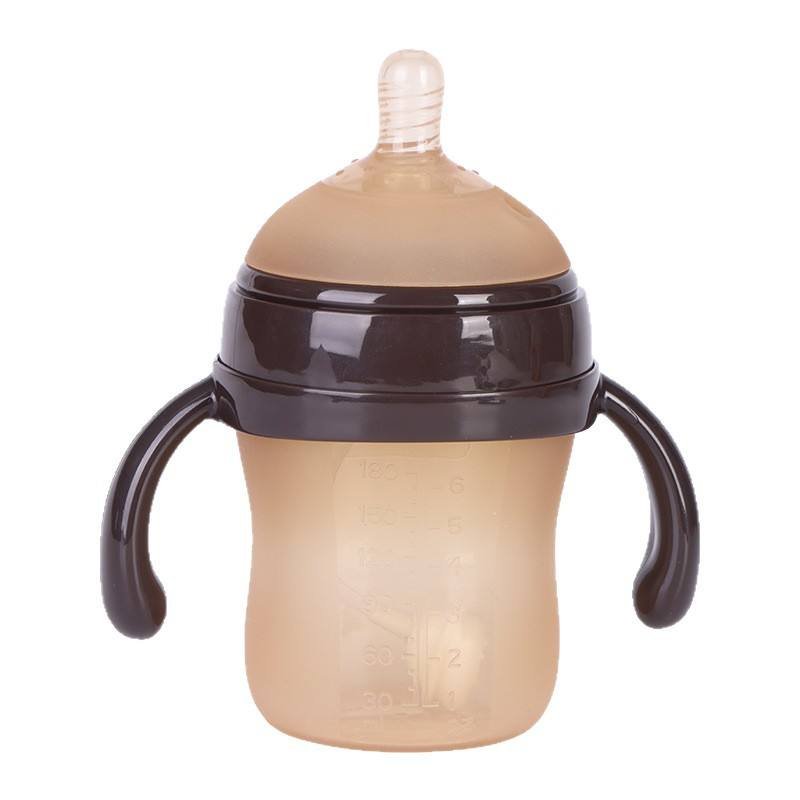
The short answer: Choose a baby bottle manufacturer by checking five connected areas: product capability, document traceability, sample quality, production control, and commercial fit. A polished catalogue is not enough. The supplier should be able to connect the exact product, component, model, test scope, production version, and customer-facing claim.
1. Start with the product brief
Before comparing factories, write down the product you actually need. Include bottle material, capacity, neck format, nipple or teat design, accessories, decoration, packaging, target market, expected order volume, and launch date.
This prevents a common sourcing mistake: selecting a supplier because it has many products, then discovering that the required bottle, nipple, packaging, or documentation is not available as one coherent project.
For example, a project may need a PPSU bottle body, a silicone nipple, a printed scale, a retail carton, and market-specific compliance documentation. Each component should appear in the technical brief, not only in a sales message.
2. Ask what is actually manufactured
“Manufacturer” can mean different things. Ask which steps are performed by the supplier and which are outsourced.
- Who owns or controls the mould and tooling?
- Which processes are performed at the nominated site?
- Where are printing, assembly, inspection, and packing completed?
- Can the supplier show a current production sample rather than only catalogue images?
- Can the same site support a repeat order?
The answer is not automatically good or bad. Outsourcing can be normal, but it should be disclosed because it affects lead time, quality responsibility, change control, and documentation.
3. Review documents by scope, not by logo
Ask for the report or certificate connected to the exact model and components. Check the product description, model list, sample description, material, test standard, report date, laboratory identity, and conclusion.
A report for a bottle body does not automatically cover the nipple, valve, coating, ink, packaging, or every size in the catalogue. A document labelled for PPSU, PP, or glass may still apply only to a named sample or model family.
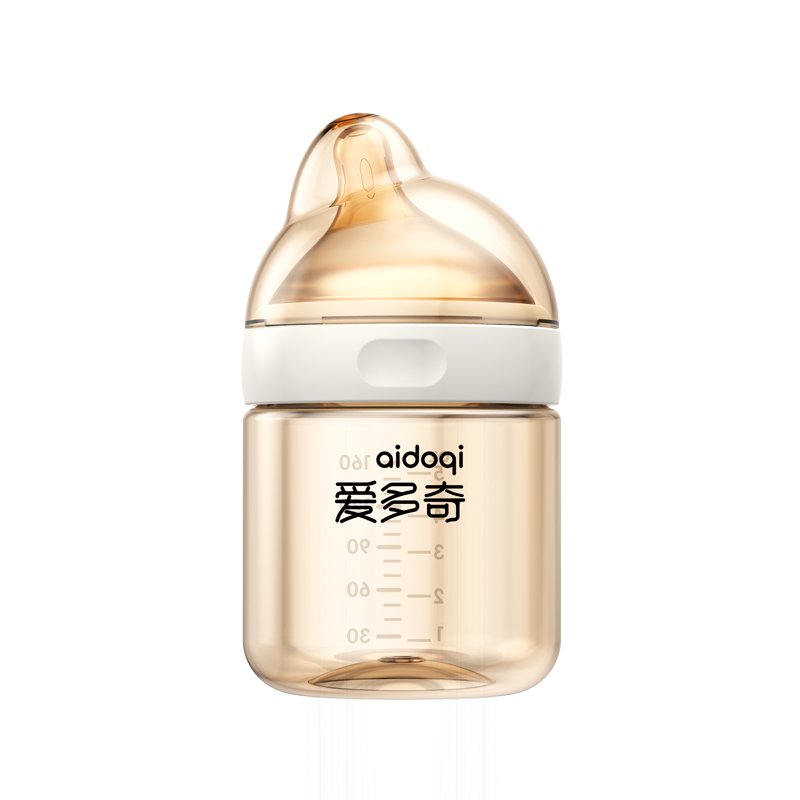
The Aiduoqi shared materials include files labelled for PPSU, PP, and glass baby bottles, as well as FCM, CE, CPC, and food-contact test materials. These are useful starting points for a buyer review, but the final claim must still be matched to the report pages and model scope.
For a more detailed document-matching method, see How OEM Buyers Can Verify Baby Bottle Material Claims Before Sourcing.
4. Test samples against the approved brief
Sample approval should record more than appearance. Check dimensions, fit between components, markings, closure, leakage, nipple attachment, packaging, and the instructions supplied to the end user.
Record the sample code and revision. If a production change is made after approval, ask whether a new sample or document review is required. This simple version-control step reduces the risk of approving one sample and receiving another construction.
5. Evaluate commercial fit
The lowest quoted price is not necessarily the lowest project cost. Compare tooling, sampling, packaging, inspection, freight preparation, rework risk, and communication time. Ask for the MOQ for stock items and the MOQ for custom items separately.
Also request a written production schedule. “Thirty days” is incomplete unless it says whether the clock starts after deposit, artwork approval, sample approval, or material confirmation.
Supplier evaluation checklist
- Product brief accepted in writing
- Exact model and component list identified
- Manufacturing and outsourcing responsibilities disclosed
- Sample revision and approval record created
- Test documents matched to product scope
- Packaging and artwork process defined
- MOQ, tooling, payment, and lead-time assumptions written down
- Quality issue and replacement process explained
- Communication owner identified
Final takeaway
The best baby bottle manufacturer is not simply the one with the largest catalogue. It is the supplier that can make the product brief, sample, production process, documents, packaging, and commercial terms agree with one another. That traceability gives a brand a more reliable basis for approval and repeat purchasing.
Frequently asked questions
Should I choose a factory with the lowest MOQ?
MOQ is one commercial variable. A lower MOQ may help a pilot launch, while a higher MOQ may support better unit economics. Compare MOQ with tooling, quality control, packaging, and replenishment needs.
Does a certificate prove that every product is compliant?
No. The report scope and model list must support the specific claim. Coverage of other models or components requires separate confirmation.
What should I request before placing an OEM order?
Request a written specification, representative sample, model list, relevant test documents, packaging plan, quotation assumptions, and production schedule.